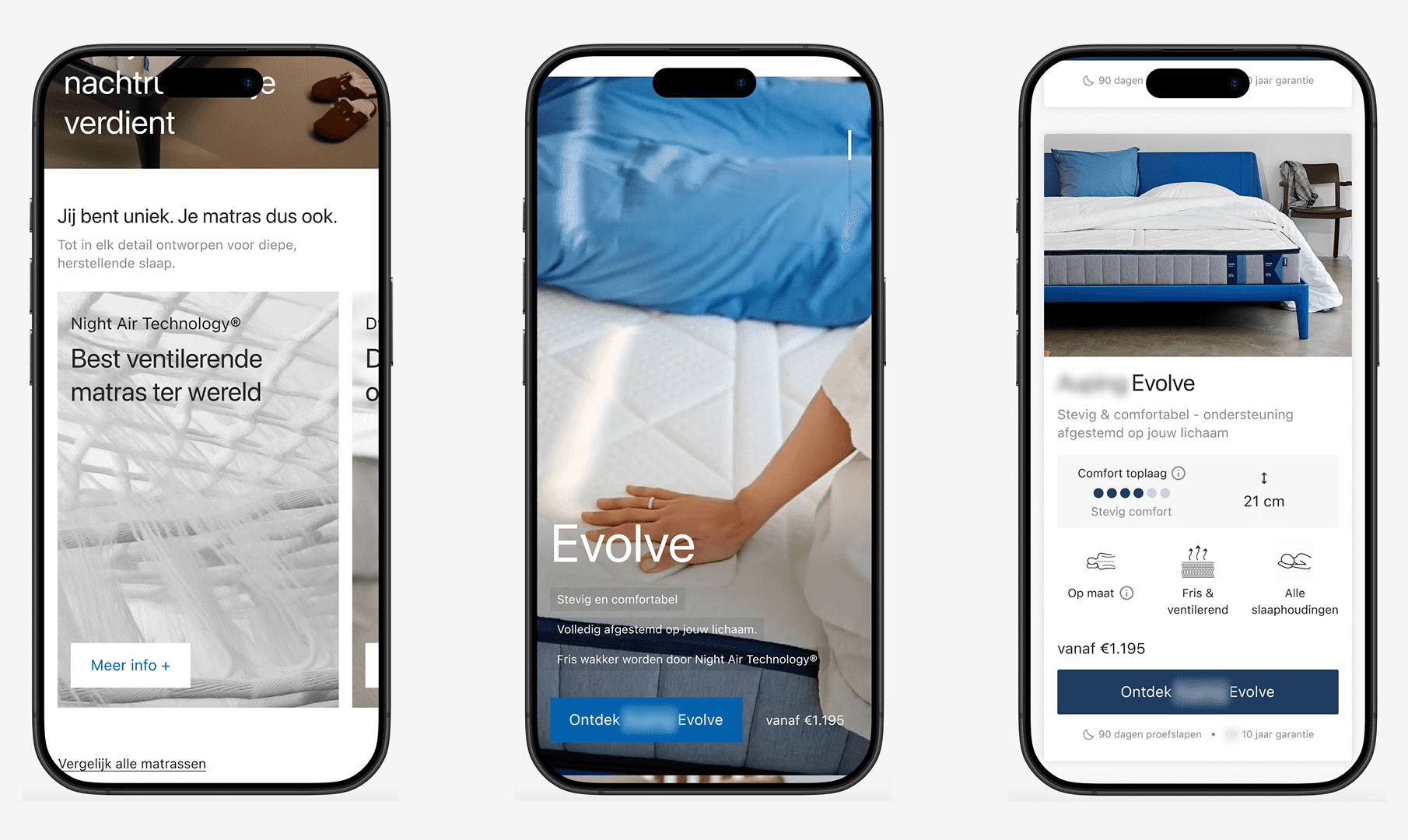
The Insight That Shaped Everything
Users weren't doubting the product. They were doubting the price, specifically because the online experience wasn't giving them enough reason not to. The research revealed that visitors were hesitant to justify the premium pricing based on what they were experiencing digitally, not because the brand had a trust problem, but because the digital environment had failed to earn the trust the brand had spent decades building in person.
This distinction matters enormously. It means the problem wasn't a conversion problem in the traditional sense. It was a value communication problem. And value, unlike layout or navigation, cannot be fixed with a single redesign. Trust has to be earned. Value has to be proven. Neither happens in one visit. What we could do was close the gap between what the brand promised and what the website delivered, and give users enough emotional and rational reassurance to take the next step.
That became the foundation for everything that followed.
Research First, Concepts Second
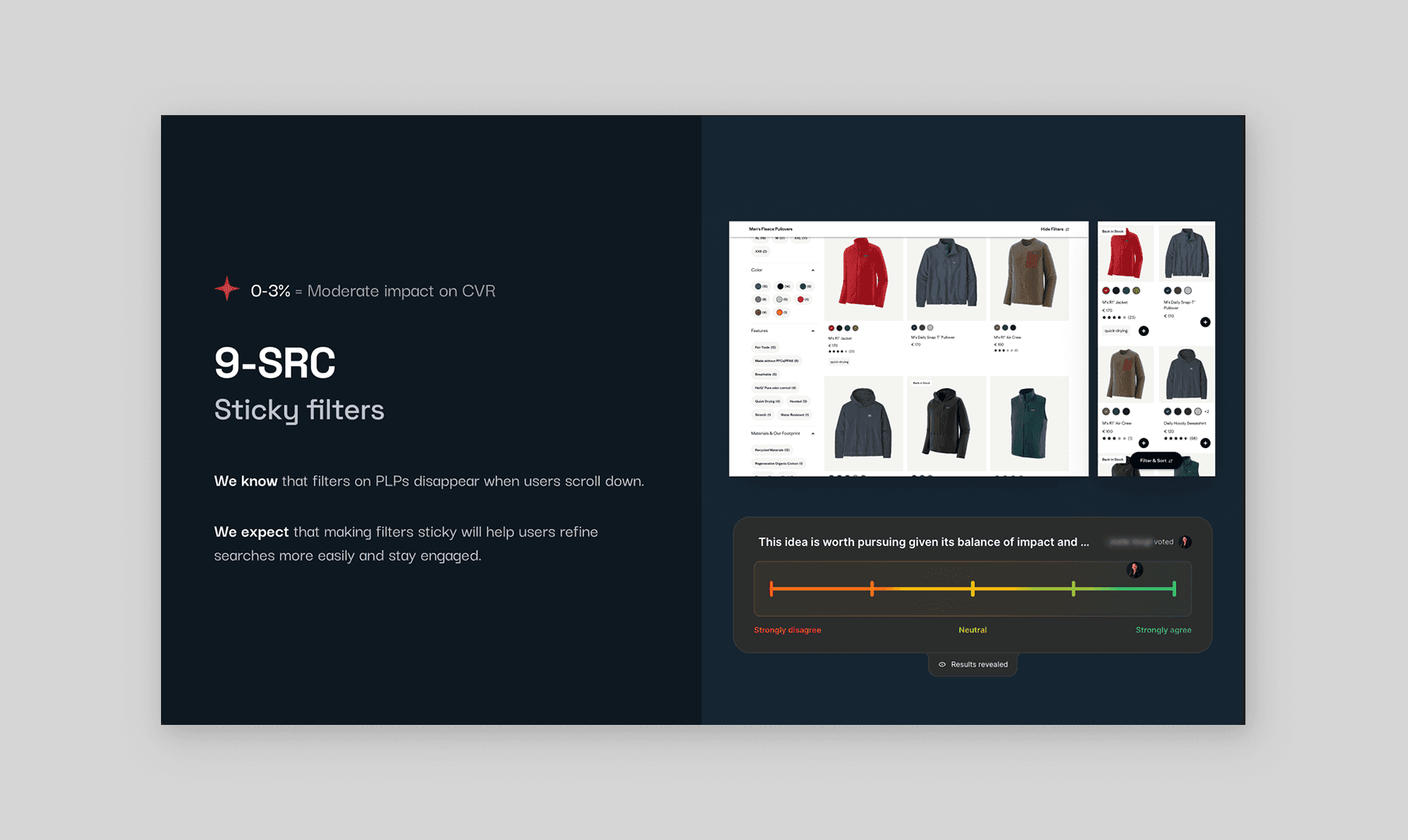
The project began with a UX audit, competitor benchmarking, brand message analysis, and insights from both the client and a third-party CRO agency. Together these sources painted a consistent picture: users somewhat understood the functional quality of the products, but the online journey lacked the storytelling and sensory richness that made the in-store experience so persuasive.
The priority list that emerged from this research phase was the bridge between the two disciplines on this project. It gave us, as a UX and UI team, a shared evidence base to design from.
Where UX and UI Became Inseparable
This project is one of my favourite examples of what genuine cross-discipline collaboration looks like. It started with a heavier UX focus, setting direction from the research, and gradually shifted toward a heavier UI focus as the concepts took shape. But it never split cleanly into two phases. It was a continuous conversation.
Working side by side at the office, we would work in parallel and then turn to each other. The UX perspective asked: does this structure give users the rational reassurance they need to justify the price? The UI perspective asked: does this feel like the brand deserves to feel? Neither question could be answered without the other.
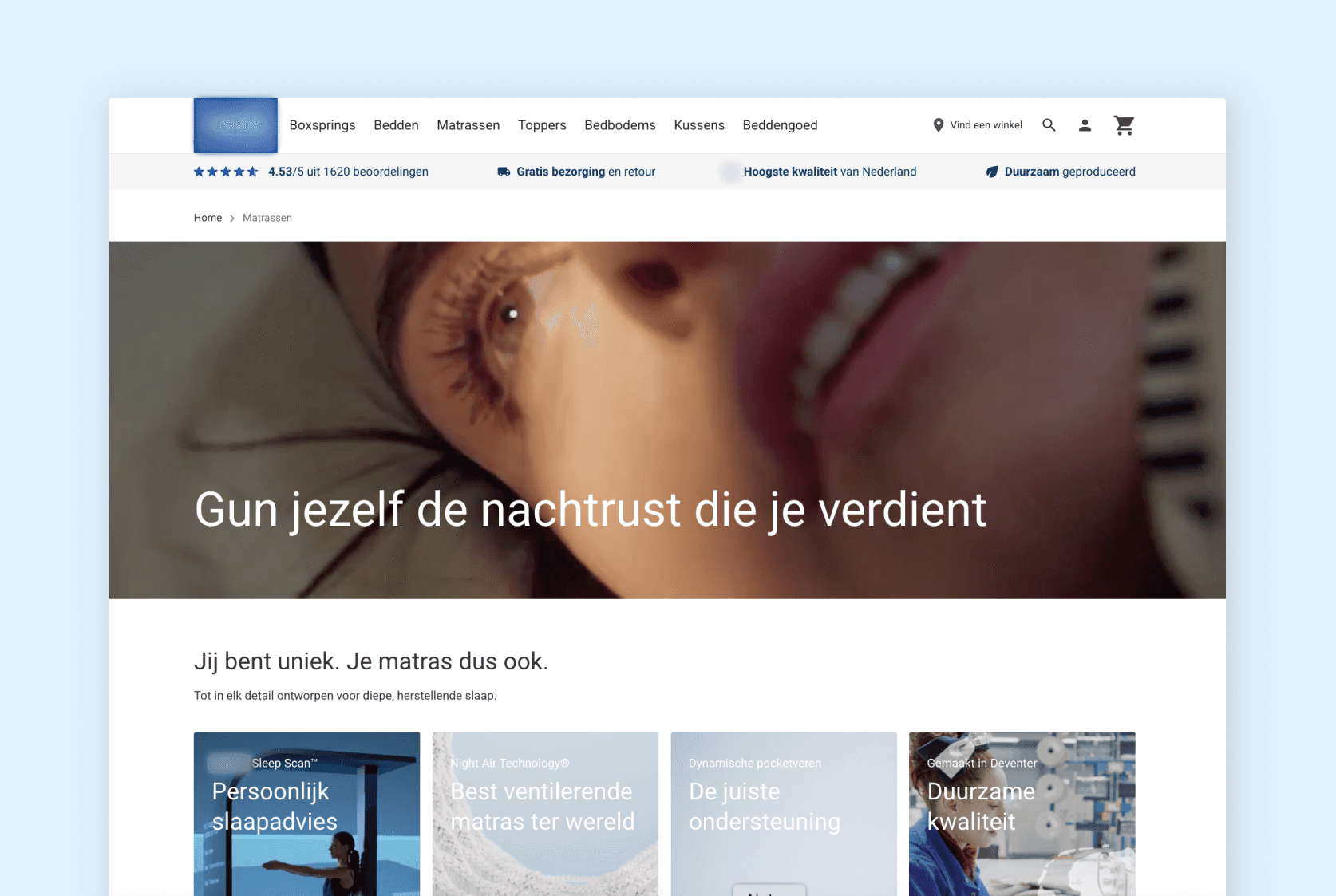
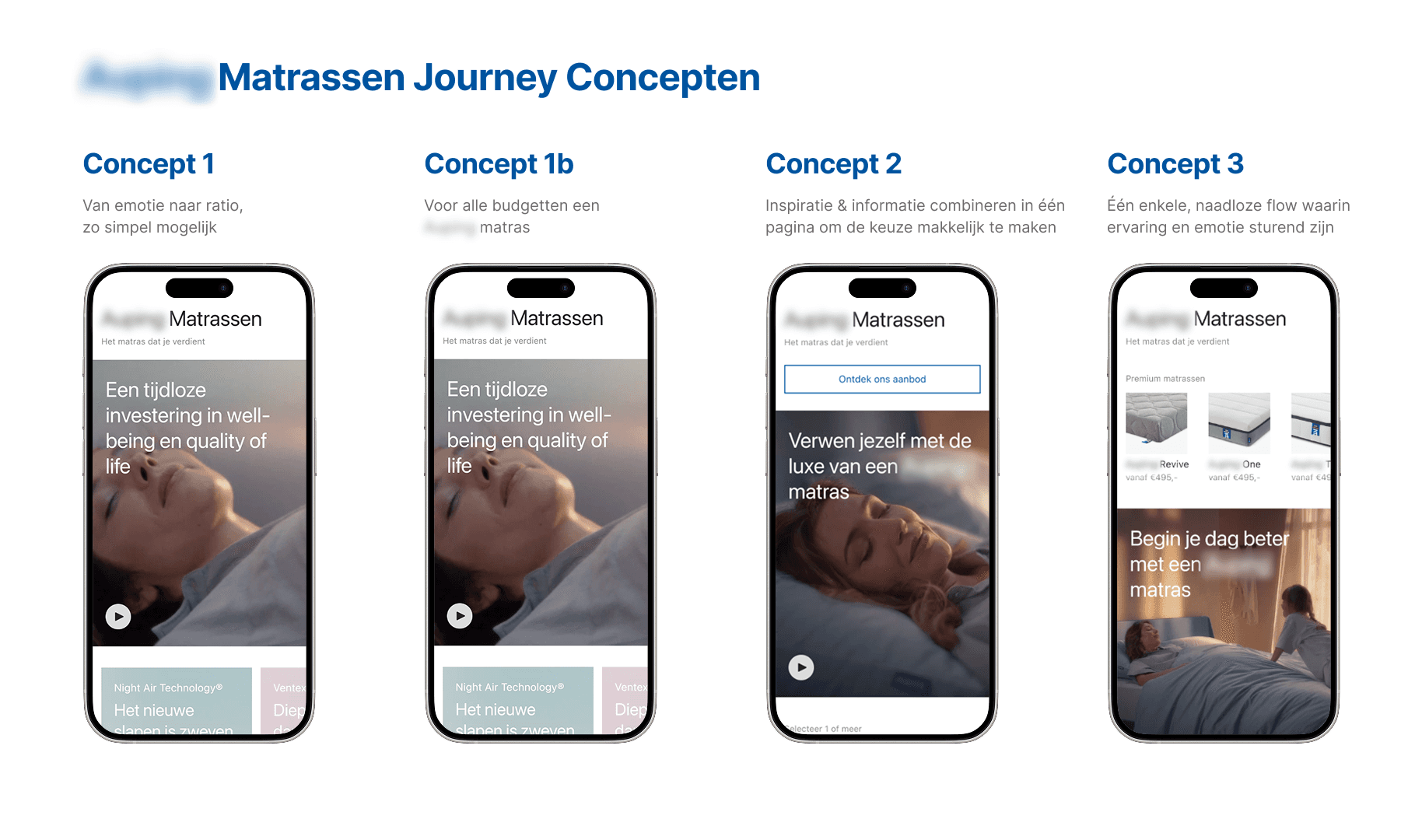
The result was what we called the experience rationale, a design philosophy built around a single central idea: the balance between emotional connection and rational reassurance. Three high-fidelity concepts were developed, each addressing the core challenge through a distinct strategic and aesthetic approach, but all rooted in the same foundation.
The Outcome
After several rounds of refinement following client feedback, the chosen concept has been implemented. The website has taken a significant step toward reflecting the premium quality that the brand's products have always delivered, closing the gap between the in-store experience and the digital one.
What This Taught Me
Luxury is not a visual style. It's a feeling of confidence, and confidence online is built through the right combination of emotional storytelling and rational proof points, delivered at exactly the right moment in the journey. Getting that balance right requires both design disciplines working at their best, together.